Mount Rinjani Trek Difficulty: How Hard Is It to Climb Mount Rinjani?
Mount Rinjani Trek Difficulty: How Hard Is It to Climb Mount Rinjani?
Mount Rinjani, standing at 3,726 meters above sea level, is Indonesia’s second-highest volcano and one of Southeast Asia’s most spectacular trekking destinations. With its dramatic volcanic landscapes, tropical rainforests, breathtaking crater lake, and panoramic summit views, Mount Rinjani attracts adventurous travelers from around the world.
However, trekking Mount Rinjani is physically demanding. Understanding the difficulty level, trail conditions, and physical requirements is essential before choosing your trekking package.
In this guide, Jou Trekking explains everything you need to know about Mount Rinjani trek difficulty, including the different routes, fitness requirements, and how to prepare for a safe and rewarding adventure.
How Difficult Is Mount Rinjani Trekking?
Mount Rinjani trekking ranges from moderately challenging to very challenging, depending on your chosen route, trekking duration, and destination.
Several factors contribute to the difficulty:
- Steep and continuous uphill trails.
- Long trekking distances.
- Significant elevation gain.
- Loose volcanic sand and rocky terrain.
- Cold temperatures at higher elevations.
- Unpredictable mountain weather.
- Reduced oxygen levels at higher altitudes.
- Multiple consecutive days of physical activity.
Although technical climbing skills are generally not required, good physical fitness, endurance, and mental preparation are essential.
Mount Rinjani Trek Difficulty by Route
Each trekking route offers a different experience and level of physical difficulty.
| Trekking Package | Difficulty |
|---|---|
| 1 Day Senaru Crater Rim | Challenging |
| 2D1N Senaru Crater Rim | Moderately Challenging |
| 2D1N Rinjani Summit | Very Challenging |
| 2D1N Second Summit | Challenging |
| 3D2N Sembalun to Senaru | Very Challenging |
| 3D2N Sembalun to Torean | Very Challenging |
| 3D2N Second Summit – Senaru to Torean | Challenging |
| 4D3N Sembalun to Senaru | Very Challenging |
| 4D3N Sembalun to Torean | Very Challenging |
These difficulty ratings are general recommendations. Your experience may vary depending on your fitness, weather, and trail conditions.
1. Mount Rinjani Summit Trek Difficulty (3,726 m)
Difficulty level: Very Challenging
Climbing Mount Rinjani's main summit is the most physically demanding part of the traditional Rinjani trekking experience.
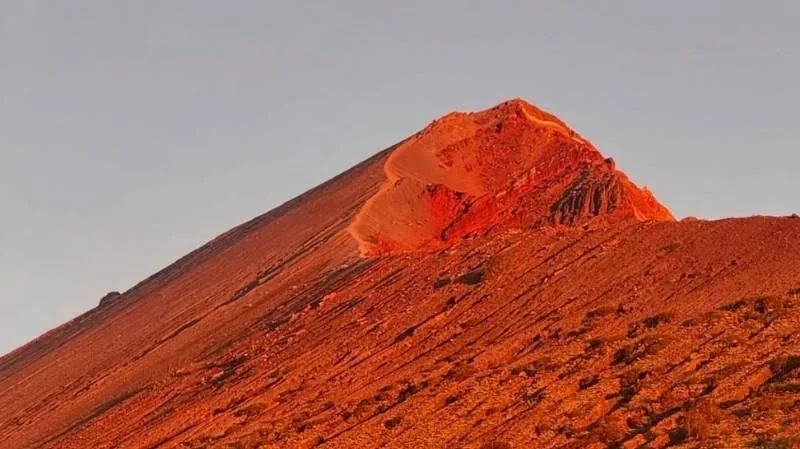
The summit ascent usually begins around 2:00 AM from Sembalun Crater Rim at 2,639 meters. Trekkers climb through steep, rocky terrain and loose volcanic sand before reaching the summit.
The final section is particularly challenging because the loose volcanic surface can cause your feet to slide backward with each step.
The summit ascent generally takes approximately 3–4 hours, depending on your physical condition and walking pace.
This route is recommended for physically fit travelers with good endurance and preferably previous hiking experience.
Explore the 2 Days 1 Night Mount Rinjani Summit Trek
2. Senaru Crater Rim Trek Difficulty (2,641 m)
Difficulty level: Moderately Challenging
The Senaru Crater Rim trek is an excellent alternative for travelers who want to experience Mount Rinjani without climbing its main summit.
The journey begins in Senaru Village and gradually ascends through dense tropical rainforest before reaching the open mountain slopes and crater rim.
Although the trail involves a significant elevation gain and several steep sections, it avoids the extremely challenging volcanic sand of the main summit.
From Senaru Crater Rim, trekkers can enjoy spectacular views of Segara Anak Lake, Mount Baru Jari, and the surrounding volcanic landscapes.
This trek is suitable for active beginners and travelers with a reasonable level of physical fitness.
Explore the 2 Days 1 Night Senaru Crater Rim Trek
3. Mount Rinjani One Day Trek Difficulty
Difficulty level: Challenging
The Mount Rinjani One Day Trek to Senaru Crater Rim is more physically demanding than the overnight crater rim option because both the ascent and descent must be completed within a single day.
The trek covers approximately 15 kilometers and usually takes 10–12 hours, including breaks and lunch.
Trekkers should have good endurance and be comfortable walking uphill and downhill for extended periods.
This package is best suited to active travelers with limited time who are confident in their physical abilities.
4. Mount Rinjani Second Summit Trek Difficulty (3,126 m)
Difficulty level: Challenging
Mount Sangkareang, commonly known as Rinjani's Second Summit, offers a less crowded alternative to the main summit.
The trek combines tropical rainforest trails, scenic mountain ridges, steep ascents, and spectacular panoramic views of Segara Anak Lake.
Although the Second Summit is lower than the main summit, it still requires good physical fitness and careful preparation.
It is an excellent choice for travelers seeking a challenging mountain adventure without attempting the traditional 3,726-meter summit.
Explore the 2 Days 1 Night Rinjani Second Summit Trek
5. Three-Day Mount Rinjani Trek Difficulty
Difficulty level: Challenging to Very Challenging
The 3 Days 2 Nights trekking packages combine multiple highlights of Mount Rinjani, including crater rims, summit climbs, Segara Anak Lake, natural hot springs, and scenic mountain trails.
The difficulty comes not only from climbing but also from completing long trekking hours over three consecutive days.
Popular options include:
- Sembalun – Main Summit – Segara Anak Lake – Senaru.
- Sembalun – Main Summit – Segara Anak Lake – Torean.
- Senaru – Second Summit – Segara Anak Lake – Torean.
The three-day trekking experience is recommended for travelers with good endurance who want to explore more of Mount Rinjani National Park.
Explore the 3D2N Sembalun to Senaru Trek
Explore the 3D2N Sembalun to Torean Trek
6. Four-Day Mount Rinjani Trek Difficulty
Difficulty level: Very Challenging
The 4 Days 3 Nights Mount Rinjani trek offers a more relaxed itinerary with additional time to rest, recover, and enjoy the volcanic landscapes.
Although the daily trekking pace may be more comfortable than the three-day itinerary, the overall route remains physically demanding.
This option is ideal for travelers who want to experience the main summit, crater lake, natural hot springs, and surrounding mountain scenery without rushing through the journey.
Is Mount Rinjani Suitable for Beginners?
Yes, physically fit and well-prepared beginners can trek Mount Rinjani with the support of experienced local guides.
However, choosing the right trekking package is important.
For first-time mountain trekkers, Jou Trekking recommends the 2 Days 1 Night Senaru Crater Rim Trek. It offers outstanding volcanic scenery without the demanding main summit ascent.
Beginners with excellent fitness and proper preparation may also consider the Second Summit or main summit trek.
How Fit Do You Need to Be to Climb Mount Rinjani?
You do not need to be a professional athlete to climb Mount Rinjani. However, you should have sufficient cardiovascular fitness, leg strength, endurance, and balance.
Ideally, you should be comfortable with:
- Walking for 5–8 hours per day, or longer on demanding stages.
- Climbing steep hills and stairs.
- Walking on uneven and rocky surfaces.
- Carrying a small personal backpack.
- Completing consecutive days of physical activity.
- Trekking downhill for several hours.
Preparing your body before the trek can significantly improve your experience.
How to Prepare for Mount Rinjani Trekking
We recommend starting physical preparation at least four to eight weeks before your trekking adventure.
Cardiovascular Training
Activities such as jogging, cycling, swimming, and brisk walking help improve your stamina and cardiovascular endurance.
Hill and Stair Training
Climbing hills or stairs regularly helps prepare your body for the steep ascents found on Mount Rinjani.
Strength Training
Exercises such as squats, lunges, step-ups, and calf raises help strengthen the muscles used during uphill and downhill trekking.
Practice Hiking
Complete several long-distance hikes before your trip, preferably on uneven terrain while carrying a small backpack.
Mental Preparation
Be prepared for early morning starts, cold temperatures, basic camping facilities, and challenging trail conditions.
Is the Sembalun or Senaru Route More Difficult?
Both routes are physically demanding, but they offer different challenges.
Sembalun Route
- Open savannah landscapes.
- Greater exposure to sunlight.
- Steep climbs toward Sembalun Crater Rim.
- Direct access to the main summit.
- Challenging volcanic sand during the summit ascent.
Senaru Route
- Dense tropical rainforest.
- Long and continuous uphill trails.
- Shaded trekking conditions for much of the ascent.
- Steep sections approaching the crater rim.
- Access to the Second Summit.
The Sembalun route is generally more demanding when combined with the main summit climb, while the Senaru route is a popular alternative for travelers who prefer forest scenery and crater rim views.
How Difficult Is the Torean Trekking Route?
The Torean route is famous for its dramatic valleys, waterfalls, rivers, and breathtaking mountain scenery.
Although it offers a beautiful alternative trekking experience, the route includes narrow mountain trails, steep slopes, rocky sections, and potentially slippery surfaces.
During or after heavy rainfall, some sections can become particularly dangerous.
Trekkers should follow their guide's instructions, and route availability depends on weather conditions and Mount Rinjani National Park regulations.
Does Altitude Make Mount Rinjani More Difficult?
Yes. As you climb higher, the reduced oxygen availability can make physical activity more demanding.
Some trekkers may experience headaches, dizziness, nausea, fatigue, or shortness of breath.
To reduce the risk:
- Walk at a steady and comfortable pace.
- Stay properly hydrated.
- Take regular breaks.
- Eat enough food during the trek.
- Inform your guide immediately if you feel unwell.
Altitude sickness can affect even physically fit trekkers. Never ignore worsening symptoms. Descending to a lower elevation may be necessary.
Reaching the summit should never be more important than your safety.
Does Weather Affect Mount Rinjani Trek Difficulty?
Weather plays an important role in determining the difficulty of trekking Mount Rinjani.
During drier conditions, trails are generally easier to navigate. During the rainy season, trails can become muddy, slippery, and significantly more challenging.
Strong winds, cold temperatures, poor visibility, and heavy rainfall can also affect summit attempts and crater lake descents.
At Jou Trekking, safety is always our priority. Our guides may recommend adjusting the itinerary depending on weather and trail conditions.
What Equipment Do You Need for Mount Rinjani?
Having the correct trekking equipment can make your adventure more comfortable and safer.
Essential items include:
- Comfortable trekking shoes with good grip.
- Warm clothing and thermal layers.
- Waterproof jacket.
- Trekking poles.
- Headlamp.
- Gloves.
- Sunscreen and sunglasses.
- Personal water bottle.
- Personal medication.
- Small trekking backpack.
Jou Trekking provides jackets, trekking poles, headlamps, and gloves for guests to borrow free of charge.
We also recommend having suitable trekking insurance that covers high-altitude trekking and emergency evacuation above 3,000 meters.
Why Trek Mount Rinjani with Jou Trekking?
As a local trekking operator based in Senaru, Jou Trekking provides guided mountain adventures with a strong focus on safety, comfort, and personalized service.
Our services include:
- Experienced local trekking guides.
- Small groups with a maximum of four trekkers.
- Professional porters.
- Quality camping equipment.
- Freshly prepared meals during the trek.
- Free trekking equipment to borrow.
- Private trekking options.
- Flexible transportation and accommodation packages.
- Local knowledge of Mount Rinjani's trekking routes.
Our small-group approach allows guides to provide more personalized assistance and adjust the trekking pace according to the group's abilities.
Frequently Asked Questions
Is Mount Rinjani harder than Mount Batur?
Generally, yes. Mount Rinjani involves significantly greater elevation gain, longer trekking hours, higher altitude, and more demanding terrain.
Can I climb Mount Rinjani without previous hiking experience?
Yes, provided you have good physical fitness and choose a suitable trekking package. The Senaru Crater Rim trek is often the best starting point for beginners.
What is the hardest part of Mount Rinjani?
The final ascent to the main summit is generally considered the hardest section because of its steep slopes, loose volcanic sand, altitude, and cold temperatures.
What is the easiest Mount Rinjani trekking package?
Among the traditional overnight crater rim and summit packages, the 2 Days 1 Night Senaru Crater Rim trek is generally one of the most accessible options. However, it still requires a reasonable level of physical fitness.
Do porters carry my personal backpack?
Standard trekking porters carry camping equipment, food, and other group supplies. Guests generally carry their own personal backpacks. A personal porter can be arranged at an additional cost.
What happens if I cannot reach the summit?
You are not required to reach the summit. Your guide will assess your condition and arrange a safe alternative according to the circumstances. Your safety always comes first.
Final Thoughts: Is Mount Rinjani Worth the Challenge?
Trekking Mount Rinjani is a physically demanding but incredibly rewarding adventure. From spectacular sunrises and dramatic volcanic landscapes to peaceful crater lake scenery and lush tropical rainforests, every route offers something unique.
The key to a successful trekking experience is choosing the right itinerary, preparing physically, and trekking with experienced local guides.
Whether you want to conquer the 3,726-meter main summit, explore the Second Summit, enjoy the views from Senaru Crater Rim, or discover the beauty of Torean Valley, Jou Trekking is ready to help you experience one of Indonesia's most remarkable mountain adventures.